The most successful remodeling projects rarely begin with finishes or paint colors.
They begin with clarity—understanding what’s not working in the home today, what changes will have the greatest impact, and how to make thoughtful decisions before construction ever begins.
For many central Ohio homeowners, remodeling is a significant investment not only financially, but emotionally. And while inspiration photos are helpful, the projects that ultimately feel the most successful are usually the ones rooted in careful planning from the start.
Whether you’re considering a kitchen remodel, home addition, whole home renovation, or outdoor living project, creating a thoughtful home remodel checklist can help you evaluate priorities, understand key home remodeling steps, and better prepare for the renovation process.
1. Understand What’s Actually Driving the Remodel
One of the biggest mistakes homeowners make early on is focusing on the symptom rather than the root issue.
For example, a homeowner may think they need:
- a larger kitchen
when the real issue is:
- poor circulation
- lack of storage
- disconnected gathering spaces
- awkward traffic flow
- insufficient natural light
In other cases, additional square footage truly is the right solution—particularly in older homes where the original layout no longer supports modern living.
“The most important conversations happen before design even begins,” says George Cleary II, Project Developer at the Cleary Company. “Understanding how a family actually lives in the home helps determine whether the solution is reconfiguration, a home addition, or a more comprehensive whole home approach.”
That clarity early in the process often prevents expensive redesigns later.
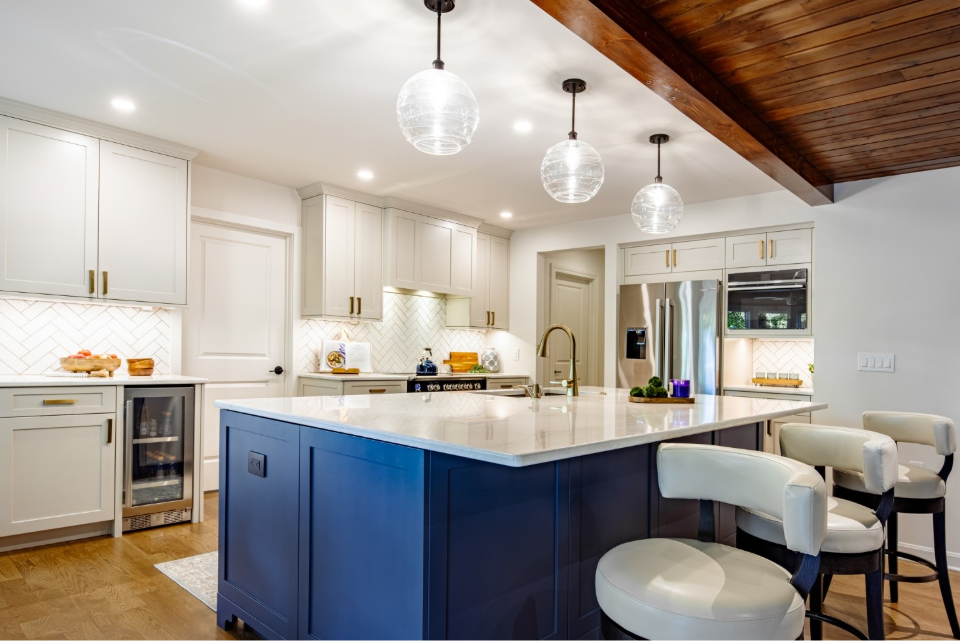
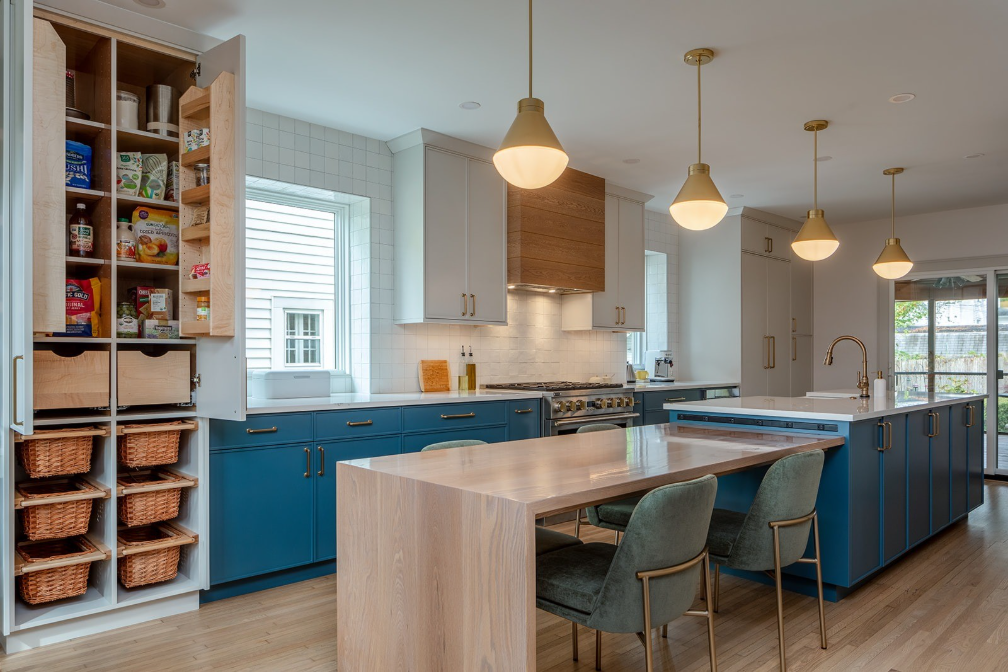
(Dublin, Columbus, Ohio Kitchen Remodel)
2. Prioritize the Decisions That Are Hardest to Change Later
Homeowners naturally focus on visible finishes first—but the most impactful remodeling decisions are often the ones that are less obvious.
Layout, cabinetry, windows, lighting, storage, and circulation patterns tend to influence daily life far more than decorative details alone.
The smartest remodeling investments usually prioritize:
- architectural improvements
- functional layout changes
- quality cabinetry and storage
- natural light
- thoughtful material durability
before focusing heavily on trend-driven design elements.
“The projects that age best are usually the ones where the foundational decisions were made carefully,” says Laura Watson, Development Manager, UDCP/ASID at the Cleary Company.
“When the layout works well and the materials feel appropriate to the home, the space tends to remain relevant much longer.”
3. Recognize That Remodeling Decisions Affect More Than One Room
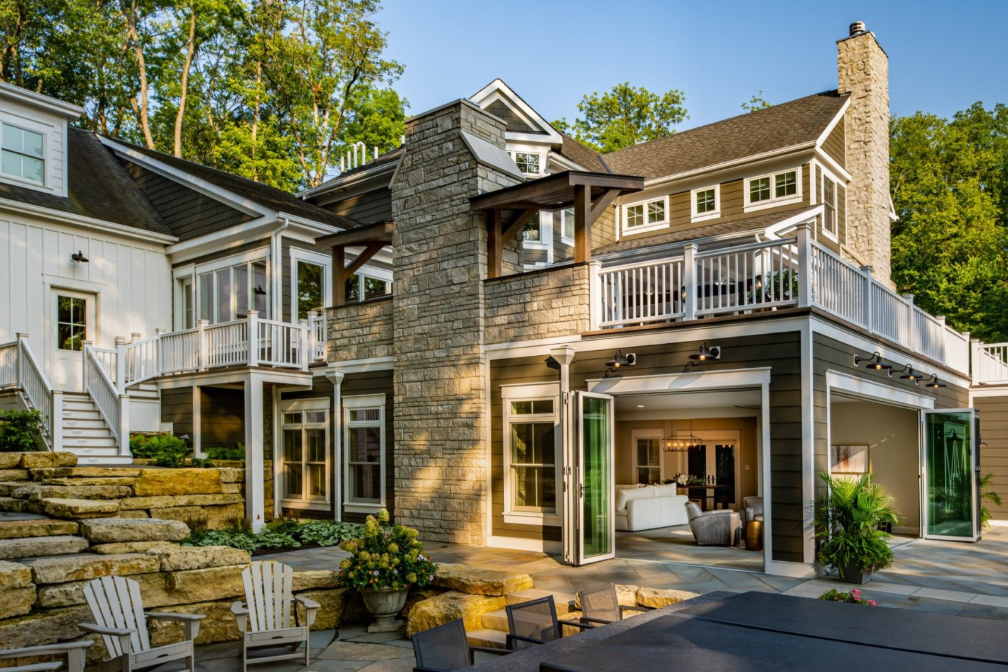
(Hilliard, Columbus, Ohio Two-Story Home Addition)
One of the most common surprises during remodeling is realizing how interconnected the home actually is.
A kitchen remodel, for example, may affect:
- flooring transitions
- adjacent gathering spaces
- lighting consistency
- exterior windows and doors
- HVAC considerations
- traffic flow throughout the first floor
Similarly, a home addition often impacts rooflines, exterior architecture, structural planning, and how the home feels overall.
That’s why the most successful remodeling projects tend to evaluate the house holistically rather than room by room in isolation.
4. Don’t Underestimate the Importance of Storage
Storage is one of the least glamorous parts of remodeling—but often one of the most impactful.
Poor storage creates daily friction. Well-designed storage quietly improves how the entire home functions.
Today’s homeowners are increasingly prioritizing:
- walk-in pantries and sculleries
- mudrooms and drop zones
- concealed appliance storage
- integrated cabinetry
- laundry and utility spaces that support everyday routines
In many projects, these practical design decisions end up improving daily life just as much as the more visible design features.
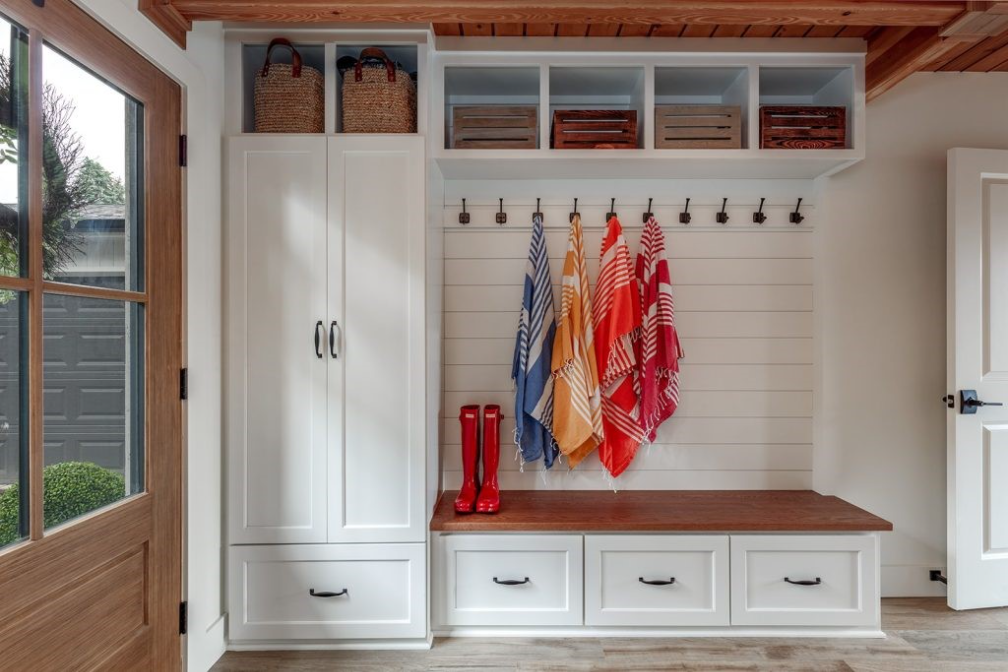
(Columbus, Ohio Mudroom as Part of Lakehouse Remodel and Addition Project)
5. Expect More Decisions Than You Think
Most homeowners underestimate just how many decisions are involved throughout the home remodeling steps that occur before and during construction.
Beyond major selections like cabinetry and flooring, there are hundreds of smaller decisions involving:
- lighting placement
- cabinet interiors
- outlet locations
- plumbing fixtures
- appliance specifications
- trim details
- hardware
- storage accessories
Without a clear process, those decisions can quickly become overwhelming.
This is one reason many homeowners choose to work with a reputable design-build remodeling company rather than coordinating separate designers, architects, and contractors independently.
An integrated design-build approach allows architecture, design, budgeting, and construction planning to happen collaboratively from the beginning—helping homeowners make more informed decisions while reducing surprises later in the process.
6. Understand Remodeling Investment Ranges
One of the earliest questions homeowners ask when planning a home renovation is: “What should we realistically expect to invest?”
While every project is unique, these are common design-build remodeling investment ranges for central Ohio homes:
| Project Type | Typical Design-Build Investment Range |
| Kitchen Remodel | $150,000 – $225,000+ |
| Primary Bathroom Remodel | $80,000 – $140,000+ |
| Home Addition | $300,000 – $1,000,000+ |
| Exterior Remodel / Outdoor Living | $40,000 – $250,000+ |
| Basement Remodel | $100,000+ |
Investment levels are often driven less by cosmetic finishes and more by:
- structural changes
- additions
- layout reconfiguration
- systems updates
- architectural integration
- level of customization
Understanding scope realistically early in the process helps homeowners prioritize more effectively and avoid unnecessary frustration later.
7. Plan for Life During Construction
Even well-planned remodeling projects create temporary disruption.
Depending on scope, homeowners may need to think through:
- temporary kitchen arrangements
- work-from-home logistics
- pets and children during construction
- delivery coordination
- timeline expectations
- access to key living spaces
Planning for those realities early with the design-build company you’ve selected can significantly reduce stress once construction begins.
8. Think Beyond Short-Term Trends
Trends naturally influence every era of design. But the remodeling projects that continue to feel successful years later are usually the ones grounded in proportion, functionality, and architectural consistency rather than highly specific trends.
That doesn’t mean avoiding personality or bold choices. It simply means balancing current inspiration with decisions that will continue to feel comfortable and cohesive over time.
In older neighborhoods like Upper Arlington, Bexley, Worthington, and Clintonville, that balance becomes especially important when blending new spaces with existing architectural character.
9. Explore Real Remodeling Projects Before Finalizing Scope
Many homeowners don’t fully understand what’s possible—or what different investment levels realistically include—until they begin exploring completed projects.
Reviewing real remodeling examples and asking for past client references can help homeowners better understand:
- layout possibilities
- addition strategies
- material combinations
- storage solutions
- how other families solved similar challenges
10. Use AI for Inspiration — Not Final Remodeling Decisions
AI tools are becoming increasingly popular for generating remodeling inspiration, exploring layouts, and visualizing ideas. And when used thoughtfully, they can be a helpful starting point during the early planning phase.
But remodeling decisions ultimately need to account for real-world conditions that AI tools simply can’t fully evaluate.
Things like:
- structural limitations
- existing mechanical systems
- architectural proportion
- permitting requirements
- site conditions
- budget realities
- construction sequencing
- how materials actually perform over time
can dramatically influence what makes sense for a specific home.
“AI can be a useful tool for sparking ideas,” Watson says. “But successful remodeling still depends on understanding the actual house, how it’s built, and how all the pieces need to work together in the real world.”
For homeowners, AI is often most valuable as a way to clarify preferences and gather inspiration—not as a substitute for thoughtful architectural planning, detailed design development, or experienced construction guidance.
Final Thoughts
The best remodeling projects are rarely the ones chasing trends or trying to maximize resale value alone.
They’re the projects that solve real problems thoughtfully, support daily life more naturally, and continue functioning well years after completion.
And while every project is different, homeowners who invest time in thoughtful planning early—before construction begins—tend to make more confident decisions throughout the entire process. Whether you’re creating a home remodel checklist, evaluating potential renovation options, or preparing for major home remodeling steps, clarity at the beginning often leads to better outcomes at the end.
Because ultimately, successful remodeling isn’t just about changing a house. It’s about improving how the home works for the people living in it every single day.